

Do We Still Need Music Critics?
| by Carter Merenstein
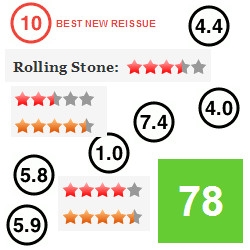
Twenty years ago if you wanted to listen to an album you had to go out and actually buy it. Maybe you’d hear one or two songs on the radio or from a friend, but for the most part you were putting your ten bucks on the line. Maybe the record would become a new favorite, maybe it’d be a flop; you would only know once you bought it. Because of this risk, for as long as there have been albums there have been album reviews. Music lovers began to trust magazines and newspapers to help them manage their musical budget. If Robert Christgau (google’s top result for “famous music critic”) told you an album wasn’t up to snuff, you saved your money; if an album got top billing in The Village Voice, you could bet it would be worth your hard-earned stacks.
Nowadays the way we listen to music has fundamentally changed. You can go on youtube, Spotify, et cetera and hear a whole album before you have to actually own it. If you listen for free and like it, hopefully you end up buying it; if you hate it, you aren’t out anything more than the time it took to listen. Despite how obvious this revolution has been over the last decade, album reviews have not changed to reflect the new landscape. In fact, we now have more of the same in a big way – these days, everyone is a critic and a blogger who wants to tell us what to listen to and, more dangerously, what not to listen to.
Given that we can hear an album before we have to commit to buying it, I believe that negative album reviews have become obsolete, and even harmful. When you couldn’t hear an album before buying it, getting a professional opinion on it made sense because of the inherent risk involved. The converse risk – that you would skip out on an album you may have liked – was a small price relative to the cost of buying a record that would only gather dust after its first play. Today, we can hear albums for free and form our own opinions without that risk. Today, we don’t need critics to tell us what not to listen to.
“But Carter,” you might say, “you yourself have reviewed plenty of albums here at WRMC, you rotten hypocrite!” Well, reader, indeed I have, but if you read them you’ll notice something consistent about all of my reviews: they are positive. To me, the modern music critic’s role is not to just give an opinion on any album that comes through their door, it is to search out music that they like and share it with the world. A traditional music writer would probably look down on someone who only writes positive reviews, but I argue that we no longer need music criticism in its traditional form. When someone pans an album on a blog or in a magazine, who is that helping? The person who doesn’t have 20 minutes to listen to a few songs on youtube, maybe? Or, maybe the person who doesn’t want to listen to the album but wants to be able to pretend they know music? But does it help someone who is a true music fan? No, we can form our own opinions.
When Tyler, The Creator released his most recent album, Wolf, he tweeted something along the lines of, “Please Don’t Read Any Reviews Of My Album Until You’ve Listened To It. I Want People To Form Their Own Opinions.” For me, this sums up why I think music writing should change. Even if you end up listening to an album, good reviews or bad, you can’t truly form your own opinions and tastes if you read a review of everything you listen to. It’s great if people who are passionate about music want to put out recommendations, but the model of professional critics giving a grade to everything under the sun has outlived its usefulness.
